How Joseph Paradiso’s sensing innovations bridge the arts, medicine, and ecology

Joseph Paradiso thinks that the most engaging research questions usually span disciplines.  Paradiso was trained as a physicist and completed his PhD in experimental high-energy physics at MIT in 1981. His father was a photographer and filmmaker working at MIT, MIT Lincoln Laboratory, and the MITRE Corporation, so he grew up in a house where artists, … Read more
Improving AI models’ ability to explain their predictions

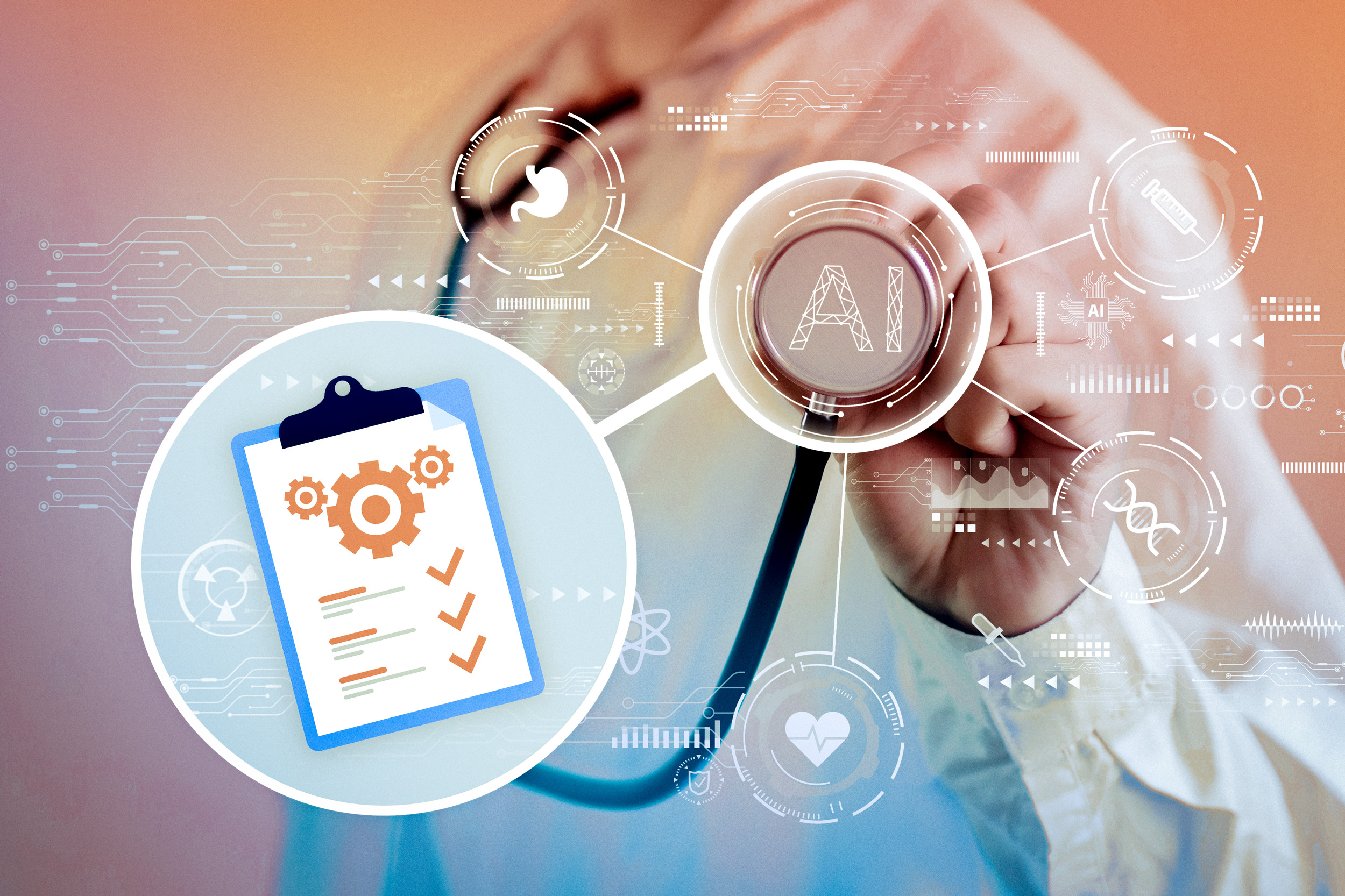
In high-stakes settings like medical diagnostics, users often want to know what led a computer vision model to make a certain prediction, so they can determine whether to trust its output. Concept bottleneck modeling is one method that enables artificial intelligence systems to explain their decision-making process. These methods force a deep-learning model to use … Read more

Improving AI models’ ability to explain their predictions

In high-stakes settings like medical diagnostics, users often want to know what led a computer vision model to make a certain prediction, so they can determine whether to trust its output. Concept bottleneck modeling is one method that enables artificial intelligence systems to explain their decision-making process. These methods force a deep-learning model to use … Read more

Featured video: Coding for underwater robotics

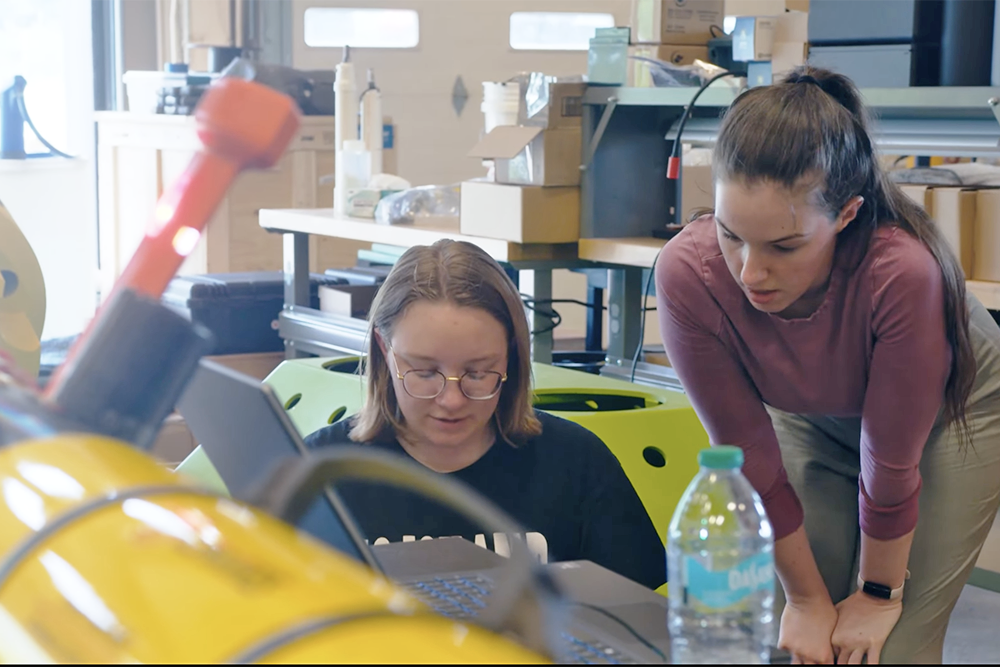
During a summer internship at MIT Lincoln Laboratory, Ivy Mahncke, an undergraduate student of robotics engineering at Olin College of Engineering, took a hands-on approach to testing algorithms for underwater navigation. She first discovered her love for working with underwater robotics as an intern at the Woods Hole Oceanographic Institution in 2024. Drawn by the … Read more

Featured video: Coding for underwater robotics

During a summer internship at MIT Lincoln Laboratory, Ivy Mahncke, an undergraduate student of robotics engineering at Olin College of Engineering, took a hands-on approach to testing algorithms for underwater navigation. She first discovered her love for working with underwater robotics as an intern at the Woods Hole Oceanographic Institution in 2024. Drawn by the … Read more

New method could increase LLM training efficiency

Reasoning large language models (LLMs) are designed to solve complex problems by breaking them down into a series of smaller steps. These powerful models are particularly good at challenging tasks like advanced programming and multistep planning. But developing reasoning models demands an enormous amount of computation and energy due to inefficiencies in the training process. … Read more

New method could increase LLM training efficiency

Reasoning large language models (LLMs) are designed to solve complex problems by breaking them down into a series of smaller steps. These powerful models are particularly good at challenging tasks like advanced programming and multistep planning. But developing reasoning models demands an enormous amount of computation and energy due to inefficiencies in the training process. … Read more

Mixing generative AI with physics to create personal items that work in the real world

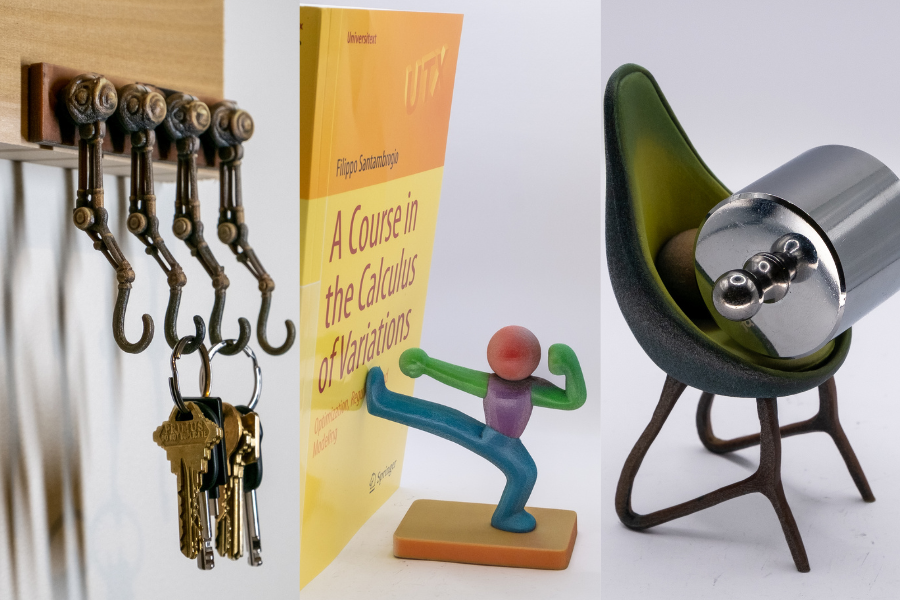
Have you ever had an idea for something that looked cool, but wouldn’t work well in practice? When it comes to designing things like decor and personal accessories, generative artificial intelligence (genAI) models can relate. They can produce creative and elaborate 3D designs, but when you try to fabricate such blueprints into real-world objects, they … Read more

AI to help researchers see the bigger picture in cell biology

Studying gene expression in a cancer patient’s cells can help clinical biologists understand the cancer’s origin and predict the success of different treatments. But cells are complex and contain many layers, so how the biologist conducts measurements affects which data they can obtain. For instance, measuring proteins in a cell could yield different information about the … Read more